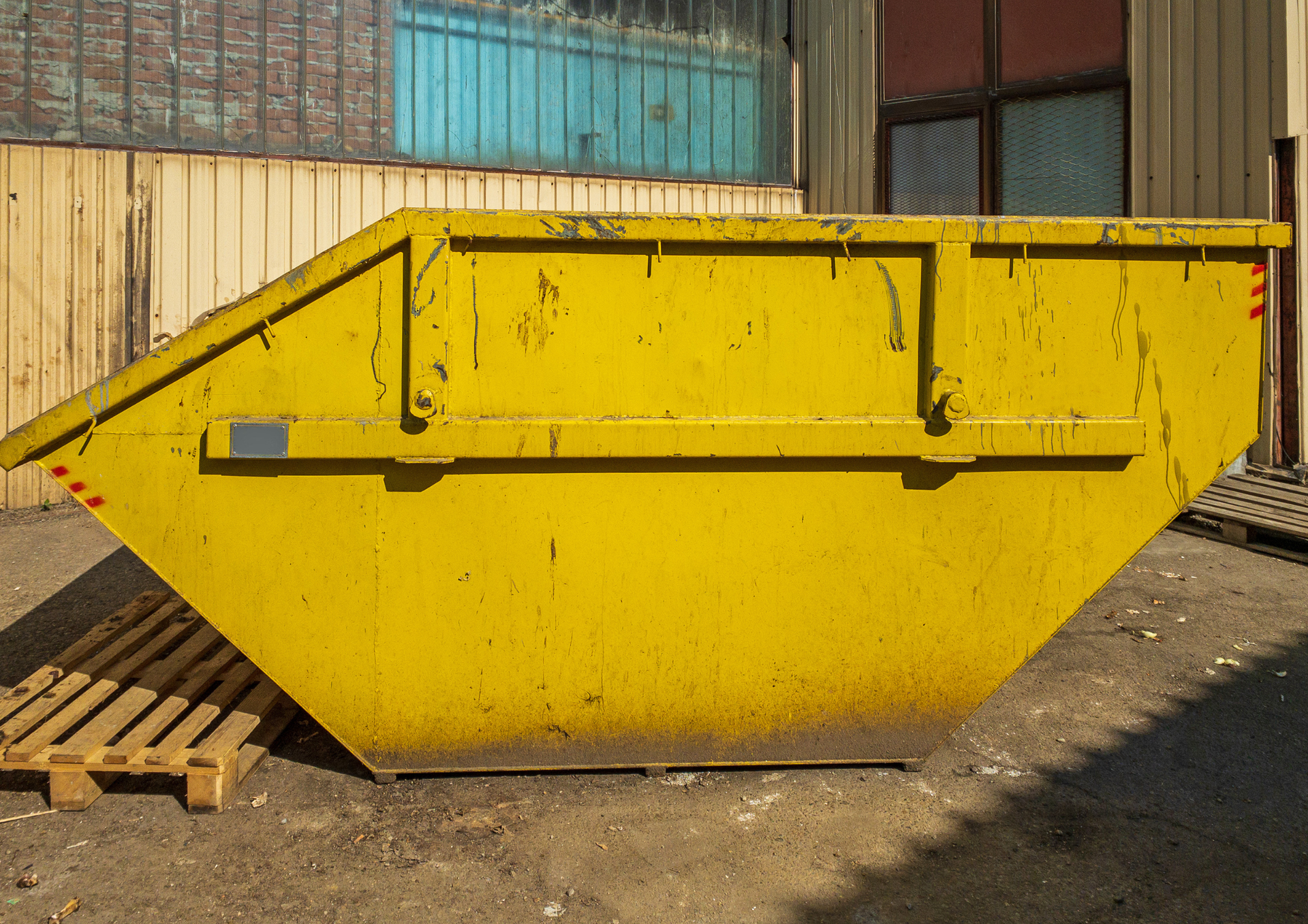

Finding Suitable Skips for Small and Large Home Improvement Projects
Home improvements can generate very different amounts of waste depending on the scale and nature of the work. A weekend garden tidy-up may produce only a modest quantity, while replacing a kitchen, renovating several rooms or completing structural work can create considerably more material. Choosing suitable skips from the beginning can make waste management easier while helping to keep the property organised throughout the project.
Planning is particularly important because waste is not always produced at a consistent rate. Some projects generate most of their unwanted material during the initial clearance or demolition stage, whereas others create smaller quantities throughout several weeks of work. Thinking about what will be removed, how much space is available and how long the project is likely to take provides a useful starting point.
Homeowners, landlords, surveyors and those responsible for residential or commercial properties may also have different priorities. A homeowner completing DIY work may value compact skips that fit comfortably on a driveway, while a landlord clearing a property between tenancies could require greater capacity. Larger refurbishment programmes may involve several trades and therefore need more detailed planning.
Matching Waste Capacity to Different Types of Home Improvement
Before choosing a container, it helps to consider the type of project rather than relying solely on a rough estimate of how much rubbish might be produced. Different home improvements create different combinations of bulky items, packaging, old fittings, garden material and construction debris. A short assessment before work begins can therefore make the disposal process considerably easier.
Understanding the appropriate skip size is particularly useful because choosing too little capacity may result in waste being left behind, while choosing significantly more than required can take up valuable space unnecessarily. The following categories provide a practical starting point.
Household Clearances
- Decluttering bedrooms, lofts, garages and spare rooms can produce a mixture of boxes, old furniture, unwanted household items and general rubbish.
- Consider how much material is actually being discarded rather than estimating based only on the number of rooms involved.
- Bulky objects can occupy considerable container space even when the overall number of items appears relatively small.
- Sorting possessions before delivery makes it easier to understand the likely volume and separate anything that should be reused, donated or handled differently.
Decorating and Room Updates
- Removing old flooring, fitted units, packaging and decorating materials can create more waste than expected.
- A single-room project may require relatively modest capacity, while several rooms being updated together can produce a substantially larger volume.
- Planning disposal before trades or materials arrive helps prevent unwanted items from occupying useful working space.
- Keeping waste contained can also make movement around the property easier while decorating or refurbishment work continues.
Kitchen and Bathroom Renovations
- Old cabinets, worktops, sanitary fittings, tiles and packaging can quickly take up space.
- These projects often create a mixture of bulky and dense materials, so volume should not be the only consideration.
- Breaking suitable items down before loading can help use the available space more efficiently.
- Customers should discuss the types of material involved with their chosen provider so that appropriate arrangements can be made before work starts.
Larger Building Projects
- Extensions, substantial refurbishments and structural alterations generally require more detailed waste planning.
- Several trades may be working at the property at different stages, which can cause waste to accumulate gradually.
- Consider whether one collection will be sufficient or whether disposal needs to be coordinated with different phases of the work.
- Access for delivery and collection should remain clear, particularly when building materials, equipment and contractors' vehicles are also using the site.
Taking a project-by-project approach is more reliable than simply choosing an option that appears large enough. It allows customers to consider volume, material type, available space and the sequence of work together, creating a waste arrangement that supports rather than interrupts the improvement project.
Planning Smaller Renovations and Household Clearances
Small projects can be deceptively difficult to plan. A homeowner may assume that a garage clearance, bedroom renovation or garden tidy-up will produce only a few bags of rubbish, only to discover that dismantled furniture, packaging and bulky materials occupy much more space than expected. Estimating the waste before work begins helps prevent this problem.
For modest projects, mini skips can provide a practical solution where the expected waste volume is relatively limited. Their smaller footprint can also be useful at properties where driveway space is restricted or where customers want to avoid allocating more room than necessary. Suitability will still depend on the material being removed, so customers should describe their project clearly when making arrangements.
It is useful to sort the property before deciding how much capacity is required. Separating items that will remain, materials that can be reused and genuine waste gives a much clearer picture of what actually needs removing. This can be particularly helpful during loft and garage clearances, where stored possessions may initially make the job appear larger than it really is.
The timing of delivery also deserves attention. Having a container arrive too early can occupy valuable space before it is needed, while arranging it too late may result in bags and unwanted materials accumulating around the property. Coordinating delivery with the start of clearance or removal work generally creates a more organised process.
Access should be checked in advance as well. Driveways, narrow residential roads, parked vehicles, gates and overhead obstacles can all influence how delivery is approached. In areas such as Guildford, where properties and streets vary considerably in layout, providing accurate information about the location can help the provider understand the circumstances before arrival.
Home improvement waste should also be loaded thoughtfully. Keeping materials contained within the permitted level and distributing suitable items sensibly can make better use of the available capacity. Customers should confirm what can and cannot be placed inside rather than assuming every unwanted household or building item can be treated in the same way.
For landlords and property managers, smaller clearance work may occur between occupancies or before maintenance begins. Organising waste removal before decorators, cleaners or contractors arrive can make the property easier to work in and reduce the chance of different activities competing for limited space.
The objective is not simply to choose the smallest available option. It is to select capacity that realistically matches the work. A little preparation before booking can make even a relatively simple improvement project easier to manage and reduce the need to change arrangements once work is underway.
Managing Waste from Larger Renovations and Building Work
Larger home improvements require a different approach because the volume, weight and variety of waste can increase considerably. Extensions, substantial refurbishments, multiple-room renovations and structural work may continue for weeks or months, making waste management an ongoing part of the project rather than a single task.
For projects producing substantial quantities of appropriate construction material, builders skips may offer the capacity needed to keep the working area organised. The most suitable arrangement will depend on the nature of the work, the material being removed and the space available at the property.
Extensions and Structural Alterations
- Building work can produce timber, old fixtures, packaging and other renovation debris at different stages.
- Waste requirements should be discussed during project planning rather than waiting until materials begin accumulating.
- Coordinating removal with demolition and construction stages can help maintain usable working space.
- Customers should explain the expected materials clearly so the provider can advise on suitable arrangements.
Full Property Refurbishments
- Renovating several rooms simultaneously can create considerably more waste than completing each room separately.
- Old kitchens, bathrooms, flooring and internal fittings can occupy substantial capacity once removed.
- Planning collections around the refurbishment schedule can prevent containers from remaining full while contractors are still working.
- Where several trades are involved, clear waste arrangements help everyone understand where unwanted materials should be placed.
Access and Positioning
- Delivery vehicles require suitable access to place and later collect the container.
- Driveways should be assessed for available space before work materials or contractors' vehicles begin arriving.
- If placement on private land is not possible, customers should establish what local requirements may apply before arranging delivery.
- Keeping the surrounding area accessible throughout the project makes subsequent collection easier.
Project Scheduling
- Waste production should be considered alongside the overall building programme.
- Early clearance stages may generate large quantities quickly, while later finishing work may produce less.
- Arranging capacity around these stages can be more practical than treating the entire renovation as one continuous waste period.
- Changes to the construction schedule should be communicated where they affect planned collection arrangements.
Larger projects benefit particularly from communication between the property owner, contractors and waste provider. Knowing what is being removed and approximately when it will be generated makes it easier to coordinate suitable arrangements without allowing unwanted materials to dominate the working area.
Organising Delivery and Collection Around Your Project
Good waste management involves timing as well as capacity. Even a well-chosen container can become inconvenient if it arrives before the site is ready or remains in place long after the relevant work has finished. Coordinating delivery and collection with the project programme helps make better use of both space and time.
Before customers order a skip, they should consider when the first substantial amount of waste will actually be generated. For example, a kitchen renovation may begin with the removal of existing units, whereas a decorating project may not create significant waste until old flooring or fittings are taken out. Scheduling around these stages can reduce unnecessary occupation of a driveway or working area.
Customers should also consider where the container will be positioned. Private driveways are often convenient where adequate space and access are available, but every property is different. The chosen location should allow practical loading without unnecessarily obstructing entrances, vehicles or areas needed by contractors.
For larger projects, access may change as work progresses. Building materials could be delivered, scaffolding may be installed or contractors' vehicles may begin using previously clear areas. Thinking about these changes before the initial delivery can prevent positioning decisions from causing difficulties later.
Collection planning is equally important. Customers should have a reasonable idea of when the container is likely to be ready, while recognising that renovation schedules sometimes change. Communicating delays or revised requirements as early as possible allows arrangements to be adjusted more effectively.
The type of waste should remain part of the conversation throughout the project. If the work changes significantly from the original plan, the materials being discarded may change as well. Checking requirements before adding unfamiliar materials is preferable to discovering an issue when collection is due.
Local considerations can also influence planning. Residential streets, busy routes and restricted access areas may require greater attention when arranging delivery. Providing accurate property and access details helps the provider understand the location rather than relying on assumptions.
For homeowners, the result of good planning is a more orderly renovation. For landlords and those responsible for multiple properties, consistent waste arrangements can also make maintenance and refurbishment programmes easier to coordinate. Surveyors and local authorities may similarly benefit from having clear information about capacity, positioning and project timescales when overseeing works.
Ultimately, effective delivery and collection planning is about fitting waste removal around the project rather than allowing waste removal to dictate how the project proceeds. Clear communication, realistic scheduling and suitable positioning can make a significant difference from the first clearance task through to final completion.
Skip Hire Guildford provides practical waste solutions for homeowners, landlords, surveyors, local authorities and those responsible for residential and commercial properties. We focus on clear communication so customers can explain their project, expected waste, access conditions and preferred timescale before arrangements are made.
Our approach is designed to make skips easier to organise without adding unnecessary complexity. Whether waste comes from a household clearance, garden project, room renovation or more substantial building work, considering the individual requirements of the job helps determine an appropriate solution.
We also recognise that properties throughout Guildford can differ considerably in layout and accessibility. Discussing positioning and collection requirements beforehand helps create practical arrangements suited to the location. By combining local understanding with straightforward guidance and organised service, we aim to help customers manage improvement waste efficiently from the initial booking through to collection.
Check out our latest X update on finding suitable
skips for small and large home improvement projects!
You might also like