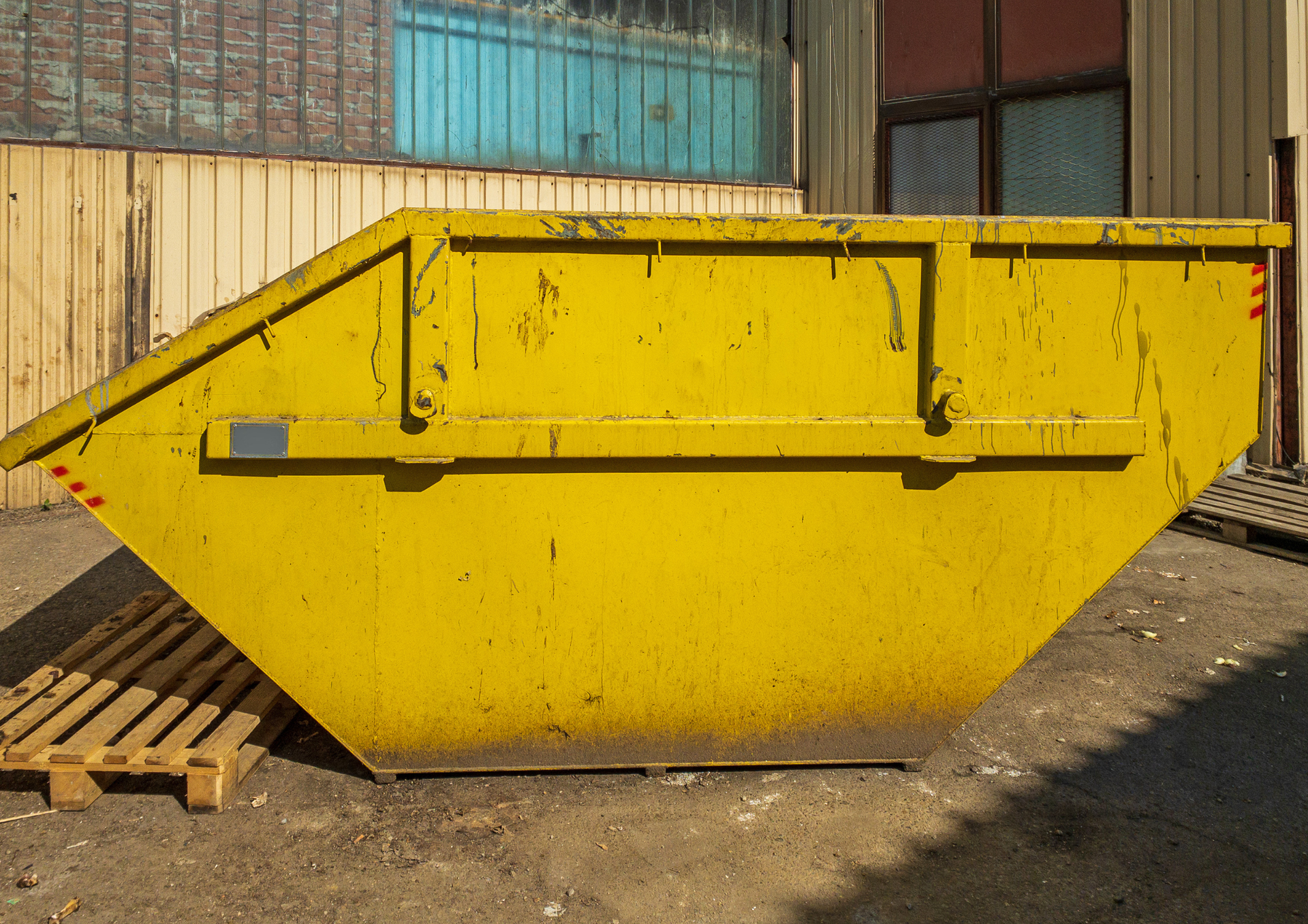

A Practical Checklist to Follow When Hiring a Skip for Waste Removal
Waste management is an important part of property clearances, renovations, landscaping projects and commercial work. Without suitable arrangements, unwanted materials can quickly accumulate, restrict access and make an otherwise straightforward project more difficult to manage. Planning carefully before hiring a skip can help ensure that waste has a suitable destination from the beginning of the work through to final collection.
Homeowners may require waste removal when clearing lofts, garages or gardens, while landlords can need additional capacity during property maintenance and refurbishment. Surveyors and local authorities may coordinate work across larger sites, and commercial premises often require disposal arrangements that fit around contractors, staff and normal operating activities.
Properties throughout Guildford range from traditional residential buildings and modern developments to shops, offices and larger commercial premises. Differences in road access, available outdoor space and property layout can all affect how waste removal should be organised. Similar considerations apply throughout the UK, making a practical checklist useful regardless of location.
Preparing before booking allows customers to estimate waste volumes, identify suitable access and understand what arrangements may be required. Instead of making decisions once unwanted materials have already accumulated, a structured approach helps create a smoother and more manageable project.
Assess Your Waste and Property Before Making a Booking
A useful starting point is to understand exactly what the project is likely to produce. Customers searching for skip hire near me can benefit from assessing the complete property before comparing available services, as this provides a clearer idea of the capacity, positioning and timescale likely to be required.
Identify the Project Type
- Consider whether the work involves household decluttering, renovation, garden maintenance, construction or a commercial clearance.
- Think about every stage of the project rather than only the work being completed first.
- Include waste that may be generated by contractors later in the project.
- For larger properties, assess individual rooms and working areas separately before estimating the overall amount.
Estimate the Waste Volume
- Walk through the property and identify everything intended for removal.
- Consider how much space furniture, old fittings and other bulky objects are likely to occupy.
- Remember that dismantled kitchens, bathrooms and interior features can produce considerable amounts of material.
- Avoid assuming that a small room will necessarily result in a small quantity of waste.
Check the Materials
- Identify the different types of waste expected during the project.
- Separate reusable or recyclable items where appropriate before disposal begins.
- Check whether particular materials require different handling arrangements.
- Make sure everyone working on the project understands what should and should not be placed in the container.
Inspect the Available Space
- Identify a suitable area where the container could be positioned.
- Consider whether entrances, driveways or parking spaces need to remain accessible.
- Look for gates, walls, trees, parked vehicles and other potential obstacles.
- Think about how far materials will need to be carried from the property to the disposal point.
Consider the Project Schedule
- Estimate when waste generation is likely to begin.
- Consider how long the main clearance or renovation work should take.
- Avoid arranging delivery substantially earlier than necessary.
- Think ahead to the point at which collection will be required.
Completing these checks before booking gives customers a much clearer picture of their requirements. It can also make conversations with a provider more productive because important details about capacity, waste type and access are already understood.
Choose Capacity According to the Work Being Undertaken
Selecting suitable capacity is an important stage when hiring a skip, because the amount of space required can vary significantly between projects. A container that works well for a small household clearance may be unsuitable for a complete renovation, while choosing considerably more capacity than required can leave valuable space unused.
Smaller domestic jobs often involve decluttering individual rooms, clearing garages or removing waste following decorating work. Although these projects may appear straightforward, bulky objects such as furniture, shelving and old fixtures can occupy considerable room. Looking at the complete collection of unwanted items before choosing capacity provides a more realistic estimate.
Garden projects can present different challenges. Branches, shrubs, old fencing and landscaping materials are often bulky even when they are relatively lightweight. Customers should consider the physical volume of these materials rather than estimating requirements solely according to weight.
Renovations can produce waste rapidly. Removing kitchen units, bathroom fittings, flooring and other interior materials can create a substantial quantity within the first stage of work. If additional construction or decorating activities are planned afterwards, these later stages should also be considered when estimating requirements.
Landlords preparing properties between occupants may encounter a combination of household belongings and maintenance materials. Assessing everything that needs removing before contractors begin can help prevent disposal arrangements from interfering with subsequent work.
Commercial clearances may require greater capacity, particularly when offices, shops or other premises contain large quantities of furniture, shelving, displays and storage materials. Where the property remains partly operational, waste arrangements should also be planned around staff, visitors and contractors.
Customers considering skip bin hire should therefore look beyond the physical dimensions of the equipment and think about how efficiently the available capacity can be used. A practical choice takes into account the expected waste volume, material type, available positioning area and length of the project.
The way materials are loaded can also affect how much capacity is available. Large items placed without planning can create unused gaps, while suitable objects that can be dismantled may occupy considerably less room. Organised loading throughout the project helps make better use of the selected capacity.
Professional guidance can be particularly useful when waste volumes are difficult to estimate. Explaining the type of project and expected materials provides useful context and can help customers avoid selecting equipment purely through guesswork.
Prepare for Delivery and Keep Loading Organised
Once capacity has been selected, preparing the property for delivery becomes the next priority. Different skip bins require suitable positioning space, so customers should consider vehicle access as well as the area occupied by the container itself. Preparing beforehand can help delivery proceed efficiently and reduce disruption to the wider project.
Clear the Delivery Area
- Remove vehicles, equipment and other movable obstacles from the proposed position.
- Make sure gates and access points can be opened where required.
- Keep the surrounding area clear enough for delivery operations.
- Inform other people using the property about the planned arrival.
Maintain Clear Access Routes
- Decide how waste will travel from the building to the disposal area.
- Keep hallways, entrances, paths and driveways free from unnecessary obstacles.
- Avoid creating temporary waste piles in frequently used areas.
- Consider alternative routes if parts of the property remain occupied.
Load Methodically
- Place suitable bulky materials carefully rather than dropping them randomly.
- Dismantle appropriate items where practical to reduce unused gaps.
- Position smaller materials around larger objects to make better use of available space.
- Avoid allowing materials to extend beyond appropriate loading levels.
Monitor Available Capacity
- Check how quickly the available space is being used as the project progresses.
- Compare the remaining capacity with the work still to be completed.
- Avoid waiting until the container is full before considering whether the original estimate was accurate.
- Keep everyone involved informed about how much space remains.
Keep the Working Area Tidy
- Move suitable waste to the designated area regularly instead of allowing it to accumulate.
- Keep entrances and emergency access points unobstructed.
- Remove loose materials from surrounding paths and working areas.
- Maintain an organised site throughout the project rather than leaving the majority of clearing until the end.
Good organisation during loading can be particularly helpful on busy renovation and commercial sites. It allows tradespeople and other workers to continue using the property while reducing the likelihood of unwanted materials interfering with their tasks.
Plan Collection Around the Completion of Your Project
Collection should be considered as part of the original waste management plan rather than treated as an afterthought. A well-timed removal can help leave the property clear and ready for renovation, occupation, sale, handover or whatever stage follows the initial work.
Customers should begin by estimating when significant waste generation will finish. The end of the main clearance does not always mean that no further material will be produced. Renovation projects, for example, may continue generating smaller quantities after the initial stripping-out stage has been completed.
Homeowners carrying out DIY work can benefit from allowing enough time to complete the intended tasks without unnecessarily extending the arrangement. If several family members or contractors are contributing to a clearance, agreeing on a realistic completion date beforehand can make scheduling easier.
Landlords may need collection coordinated with cleaners, decorators or maintenance contractors. Removing accumulated waste at the appropriate stage can provide these trades with clearer working areas and make it easier to prepare the property for its next occupants.
Surveyors and local authorities coordinating larger projects may need to consider several activities happening on the same site. Waste removal should fit around these activities so that collection vehicles can gain access without disrupting other scheduled work.
Commercial premises can require even more careful timing. A business may need collections to take place during quieter periods or around delivery schedules. Planning this in advance helps maintain access while reducing disruption to staff, customers and contractors.
Before collection, the surrounding area should be checked to ensure the vehicle can approach safely. Cars, equipment or temporary materials that have appeared since delivery may need to be moved. Keeping the route accessible helps the final stage proceed smoothly.
It is also useful to inspect the property before confirming that the project is complete. Checking rooms, storage areas and external spaces can identify overlooked materials that still need attention. Discovering these items after collection can create unnecessary additional work.
Good communication remains important if project timescales change. Renovations and property clearances do not always proceed exactly as planned, particularly when unexpected work is discovered. Addressing changes early makes it easier to adjust arrangements where possible rather than waiting until the original collection point has arrived.
Ultimately, collection should support the wider project schedule. The aim is to remove unwanted material once it has served its purpose as a temporary waste solution, leaving the site clearer and ready for its next use.
Skip Hire Guildford provides practical waste removal support for residential and commercial projects throughout the local area. We understand that each property has different access conditions, available space and waste requirements, so our approach focuses on helping customers consider these factors before making arrangements.
Whether you are clearing a household, preparing a rental property, coordinating maintenance or managing a commercial project, hiring a skip should be straightforward and suited to the work being undertaken. We aim to provide practical guidance so customers can make informed decisions about capacity, delivery and collection.
Our focus is on clear communication and dependable arrangements throughout the process. By understanding the project from the outset, we can help customers prepare for delivery, organise waste effectively and coordinate collection around the work.
From smaller domestic clearances to larger property projects, careful planning can make waste management easier to handle. Our aim is to support an organised process that allows customers to concentrate on completing their work efficiently.
Check out our latest X update for a practical checklist to follow when
hiring a skip for efficient and organised waste removal!
You might also like