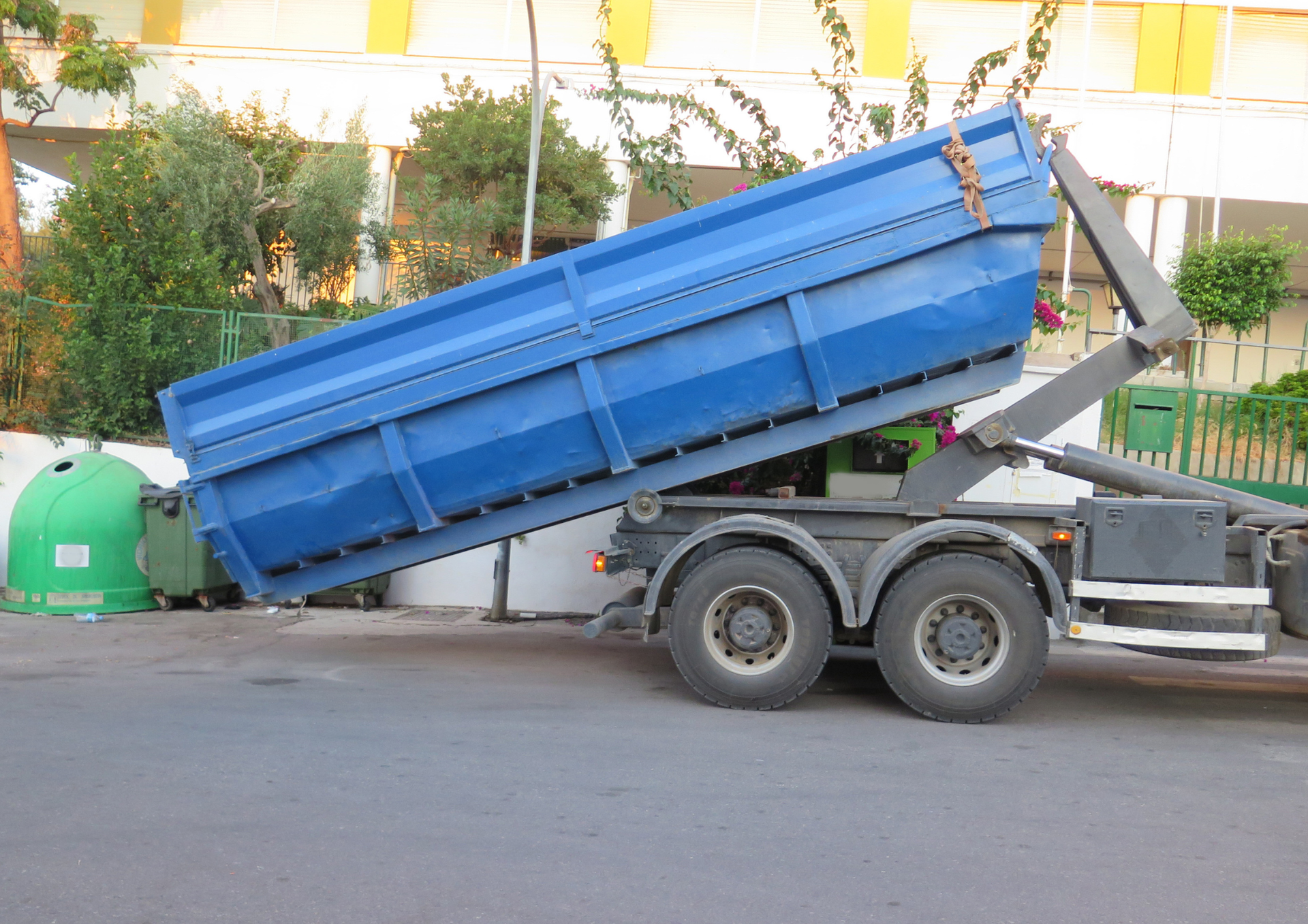

Top Mistakes People Make When Booking a Skip for Garden Waste
Hiring a skip should be a straightforward and stress-free experience, yet many households, businesses, and contractors still run into avoidable issues when dealing with outdoor waste. Whether you’re clearing hedges, cutting back trees, or handling debris from a larger project, understanding the pitfalls of skip hire for garden waste can help you save time, reduce costs, and avoid unnecessary frustration.
This guide highlights common mistakes people make when arranging skip hire for garden waste and offers simple tips to keep your project on track.
Choosing the Wrong Skip Size for Your Project
One of the biggest and most costly mistakes is selecting a skip that’s too small for the amount of material you need to dispose of. At first glance, it may seem economical to choose a smaller option, but garden work can produce bulkier waste than expected. Branches, turf, soil, hedge trimmings, and cuttings are lightweight but take up far more space than many customers anticipate. This is especially true for larger clearances or landscaping projects, where waste builds up rapidly.
Some people underestimate how quickly outdoor debris can accumulate, especially when tackling overgrown shrubs or removing old bedding areas. Even a seemingly minor pruning job can produce several bin bags’ worth of material. In addition, bulky items such as old decking, fencing, and landscaping timbers may not fit comfortably into compact containers. Choosing the wrong size results in overflowing waste, the need for a second skip, or delays while waiting for a replacement.
Oversized skips are also sometimes chosen unnecessarily, leaving customers paying for capacity they don’t need. A thoughtful assessment of the task, including the amount of soil, turf, or cuttings expected, can prevent unnecessary expense. Speaking with advisors or your local provider is a helpful way to match your project requirements with the correct skip size. This ensures cost-effective waste management with minimal disruption.
A related point is that many customers forget to consider height restrictions and access issues. A skip may physically hold the volume required, but if it cannot be delivered to your driveway or site due to narrow access, low walls, or limited turning space, you could face delays. Planning ahead avoids stress and ensures the waste removal fits seamlessly into your schedule.
In some cases, customers may assume a specialised container is needed, such as a green waste skip bin, but for most garden projects, standard domestic or commercial skips are suitable as long as the correct guidelines are followed. Understanding what you can put in each container and selecting the right type will ensure smooth operations from start to finish.
Failing to Understand What Can and Cannot Go Into a Garden Skip
Many people assume that disposing of outdoor waste is straightforward, but skip providers have clear rules on what is and isn’t allowed. Misunderstanding these guidelines can lead to delays, extra costs, or rejected collections. Below are the key mistakes people make when using a garden skip:
- Assuming all soil and rubble are acceptable
Soil is usually allowed, but it must not be mixed with plastics, stones, chemicals, or general rubbish. Contaminated loads increase processing costs and may incur additional fees. - Including treated or unsuitable wood
Painted, varnished, or chemically treated timber is often prohibited in skips designated for natural garden waste. These materials require separate disposal due to safety and environmental regulations. - Mixing household items with garden waste skip
Items such as plant pots, garden tools, hoses, plastics, and furniture may not be permitted. Garden skips are typically restricted to plant-based materials only. - Assuming all biodegradable materials are allowed
While soil may be accepted, materials like clay, stones, and large roots often need to be handled differently. Knowing your provider’s specific rules helps avoid complications. - Overlooking hazardous materials
Items such as treated wood, old roofing sheets, and certain types of insulation cannot go into standard garden waste skips. Always check with your provider if you’re unsure whether something requires specialist handling.
Not Planning Ahead for Access, Placement, and Permits
The logistics of skip placement are often underestimated. Many customers rush into booking a skip without considering where it will sit, who needs access, or whether a permit is required. Without proper planning, you may find that your project is delayed, or additional costs arise unexpectedly.
One common issue occurs when skips are delivered to sites with inadequate access. Narrow driveways, overhead wires, low branches, uneven ground, or parked vehicles can all interfere with delivery. Drivers need clear space to safely lower the skip, and failing to plan for this may result in wasted call-out fees or failed deliveries. Ensuring the route is clear before the skip arrives prevents unnecessary complications.
Customers who intend to place their skip on a public road often forget that most councils require a permit. These permits typically take time to arrange and may involve specific conditions, such as reflective markings, traffic cones, or lights for visibility. Booking without accounting for permit processing time may delay your project. Planning ahead ensures compliance with local regulations and avoids fines.
A lack of foresight regarding placement can also create frustration. For example, placing the skip too far from the garden area increases the time and effort required to move waste. On the other hand, placing it too close to the property may create access problems for vehicles, pedestrians, or neighbouring driveways. Considering convenience, safety, and council rules together helps determine the best location.
Customers also sometimes overlook the need for extra space for opening doors on enclosed skips or drop-front skips. These features are useful for loading heavy materials such as soil or turf, but only if the area in front of the skip is kept clear. Taking measurements and planning layout carefully will streamline your workflow.
When comparing options, some people look at garden waste skip hire prices without considering logistical extras such as access requirements, permit needs, or collection schedules. These practical considerations often influence final costs more than the container price itself. Taking a holistic view ensures realistic budgeting and avoids unpleasant surprises once the skip is delivered.
Overfilling or Incorrectly Loading the Skip
Overfilling or loading a skip incorrectly is one of the most common and avoidable issues customers face. These mistakes create safety risks, cause delays, and may lead to additional charges. Understanding the correct way to load a skip helps keep your project running smoothly. Key points to remember include:
- Avoid filling waste above the skip's sides
Even a slight overflow makes the skip unsafe to transport. Drivers are legally prohibited from collecting overloaded containers, which can result in delays or reloading fees. - Garden waste can be bulkier than expected
Leaves, branches, and hedge cuttings often stick up over the edge if not compacted properly. Breaking branches down and flattening bags helps maximise space without breaching safety limits. - Distribute heavy materials evenly
Soil, turf, and other dense waste must be spread across the base of the skip to avoid unsafe weight distribution. Uneven loading may prevent collection or require adjustments. - Respect maximum weight limits
Skips used for tasks found under searches like skip hire for garden waste near me still have strict weight restrictions. Overloading can damage containers, vehicles, or equipment, and may pose safety hazards for the driver. - Follow provider guidelines for safe loading
Understanding limits on volume and weight, and following advice provided at booking, ensures smooth loading and compliant waste disposal. - Plan ahead to stay within limits
If your project is expected to generate a lot of waste, arranging a larger skip or scheduling interim collections reduces the risk of overloading and avoids unnecessary disruption.
Hiring a skip is one of the most effective ways to handle outdoor waste, but the process only runs smoothly when done correctly. Many people run into problems by choosing the wrong size, misunderstanding disposal rules, overlooking access requirements, or overfilling their container. By planning ahead, knowing what can be placed in the skip, and following your provider’s guidance, you can keep the process efficient and stress-free. Whether you’re a homeowner, contractor, landscaper, business owner, or event organiser, understanding the common pitfalls of
skip hire for garden waste will make your project far more manageable.
Skip Hire Guildford provides a reliable, professional, and straightforward service that helps customers avoid the common issues highlighted in this guide. Our team offers clear guidance on sizing, placement, waste types, and scheduling to ensure a smooth experience from beginning to end. With transparent pricing, prompt delivery, and responsible waste handling, we support projects of all sizes. Whether you’re clearing a garden, managing commercial waste, or tackling large-scale renovations, our expertise in
skip hire for garden waste ensures your materials are collected efficiently and with confidence.
Latest post on X:
Skip hire for garden waste – top mistakes people often make!
You might also like